can undiagnosed diabetes cause weight gain Diabetes gejala tanda symptoms penyakit melitus undiagnosed turning diabetestalk diet
A common concern among individuals with diabetes is weight gain. Many wonder if diabetes itself causes weight gain or if there are other factors at play. In this post, we will explore the relationship between diabetes and weight gain and shed light on this topic.
Understanding Diabetes and Weight Gain
Diabetes is a chronic condition that affects the body’s ability to regulate blood sugar levels. There are two main types of diabetes - type 1 and type 2. While the exact causes of both types are different, they both have an impact on weight management.
Firstly, let’s talk about type 1 diabetes. This form of diabetes is usually diagnosed in childhood or early adulthood. In type 1 diabetes, the body does not produce enough insulin, a hormone responsible for regulating blood sugar levels. Without sufficient insulin, glucose cannot enter the cells, resulting in high blood sugar levels. People with type 1 diabetes often experience weight loss instead of weight gain due to the lack of insulin.
On the other hand, individuals with type 2 diabetes, which is typically linked to lifestyle factors, may indeed face challenges with weight gain. Certain risk factors such as genetics, sedentary lifestyle, and poor dietary choices can contribute to the development of type 2 diabetes. Weight gain can be a symptom of this type of diabetes, as insulin resistance can affect the body’s ability to use glucose effectively, leading to elevated blood sugar levels.
The Role of Insulin
Insulin is a crucial hormone for maintaining a healthy weight. It helps transport glucose from the bloodstream into cells, where it can be used as fuel or stored for later use. When insulin resistance occurs, as seen in type 2 diabetes, the body’s cells become less responsive to insulin. As a result, the pancreas produces even more insulin to compensate. This excess insulin can promote weight gain by encouraging the storage of fat and inhibiting the breakdown of stored fat.
Diet and Weight Gain
In addition to insulin resistance, dietary habits can also contribute to weight gain in individuals with diabetes. It’s important to note that not all individuals with diabetes will experience weight gain, as personal factors and individual responses to certain foods can vary. However, some dietary choices can increase the risk of weight gain.
Consuming a diet high in refined carbohydrates and added sugars can have a significant impact on blood sugar levels and may lead to weight gain. These types of foods are often calorie-dense and can cause blood sugar spikes, resulting in increased insulin production and fat storage. It is advisable for individuals with diabetes to focus on a balanced diet consisting of whole grains, lean proteins, healthy fats, and a variety of fruits and vegetables. This can help promote stable blood sugar levels and aid in weight management.
Physical Activity and Weight
Regular physical activity is essential for maintaining a healthy weight, regardless of whether or not an individual has diabetes. Engaging in exercises such as cardiovascular activities, strength training, and flexibility exercises can increase insulin sensitivity, allowing the body to use glucose more efficiently. Physical activity also helps burn calories, contributing to weight loss or weight maintenance.
Individuals with diabetes should aim for at least 150 minutes of moderate-intensity aerobic activity per week, along with strength training exercises twice a week. However, it’s important to consult with a healthcare professional before starting any exercise program, as they can provide personalized recommendations based on your specific needs and medical history.
 Conclusion
While weight gain can be a concern for individuals with diabetes, it is not caused directly by the condition itself. Type 1 diabetes is more likely to result in weight loss, while type 2 diabetes can sometimes lead to weight gain due to insulin resistance. Implementing a healthy lifestyle, including a balanced diet and regular exercise, is essential for managing weight effectively. Remember to work closely with your healthcare team to develop a personalized plan that meets your individual needs and supports your overall well-being.
 Disclaimer
This information is not intended to replace professional medical advice. It is solely for informational purposes. If you have concerns about your health or diabetes management, please consult with a healthcare professional.
If you are looking for Type 2 Diabetes | Men’s Health A-Z | Canadian Men’s Health Foundation you’ve visit to the right web. We have 5 Images about Type 2 Diabetes | Men’s Health A-Z | Canadian Men’s Health Foundation like Can Night Sweats Be A Symptom Of Diabetes? | DiabetesTalk.Net, Type 2 Diabetes | Men’s Health A-Z | Canadian Men’s Health Foundation and also Can Night Sweats Be A Symptom Of Diabetes? | DiabetesTalk.Net. Read more:
Type 2 Diabetes | Men’s Health A-Z | Canadian Men’s Health Foundation
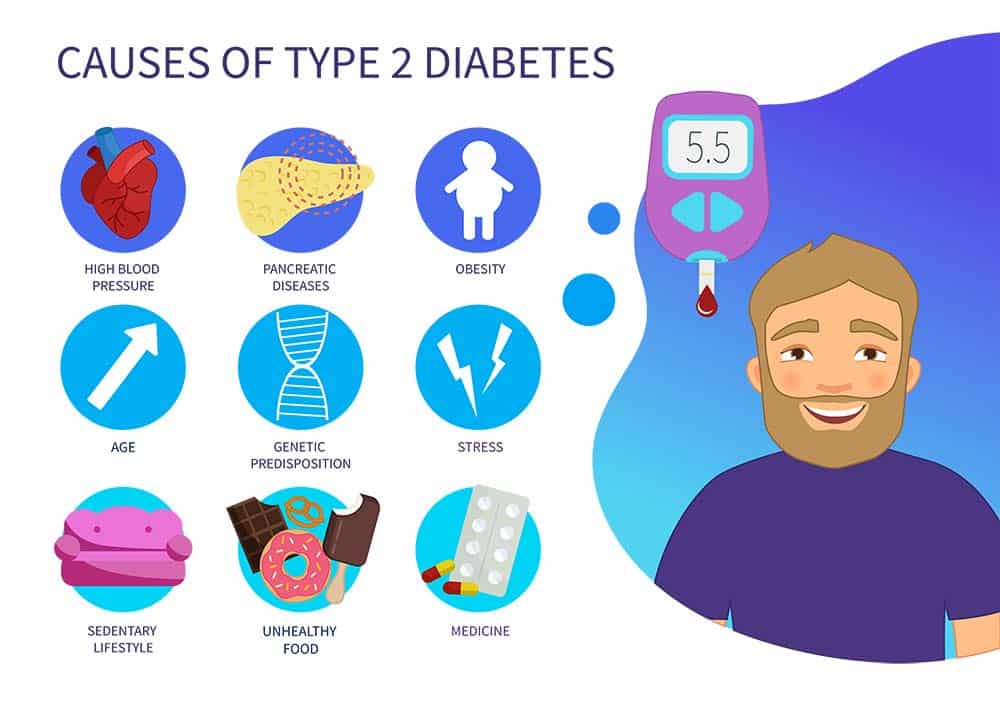 menshealthfoundation.cacauses type orsakar glucose
Feet Turning Black Diabetes | DiabetesTalk.Net
diabetestalk.netdiabetes gejala tanda symptoms penyakit melitus undiagnosed turning diabetestalk diet
Can Undiagnosed Diabetes Cause Weight Gain | DiabetesTalk.Net
 diabetestalk.netdiabetes undiagnosed gain cause weight diabetestalk could
Diabetes Weight Gain: Does Diabetes Cause Weight Gain?
www.dariohealth.comCan Night Sweats Be A Symptom Of Diabetes? | DiabetesTalk.Net
 diabetestalk.netType 2 diabetes. Can night sweats be a symptom of diabetes?. Diabetes undiagnosed gain cause weight diabetestalk could