will hypoglycemia lead to diabetes Hypoglycemia causes verywell roberts verywellhealth diagnosed
Hypoglycemia: Overview and More
:max_bytes(150000):strip_icc()/hypoglycemia-overview-1087679_final-99687db91e7a4db2967bf7372cdfe42c.png) Hypoglycemia, also known as low blood sugar, is a condition that occurs when your blood glucose levels drop below the normal range. It is most commonly associated with diabetes, but it can also occur in people without diabetes. This article will provide an overview of hypoglycemia, its causes, symptoms, and treatment options.
Hypoglycemia, also known as low blood sugar, is a condition that occurs when your blood glucose levels drop below the normal range. It is most commonly associated with diabetes, but it can also occur in people without diabetes. This article will provide an overview of hypoglycemia, its causes, symptoms, and treatment options.
Causes of Hypoglycemia
There are several possible causes of hypoglycemia. In people with diabetes, it is often a side effect of certain medications, such as insulin or sulfonylureas, which help lower blood glucose levels. Other potential causes include skipping meals, excessive alcohol consumption, and intense physical activity without sufficient carbohydrate intake. It is important to note that hypoglycemia can also occur in individuals without diabetes due to other medical conditions, such as hormone deficiencies or enzyme disorders.
Symptoms of Hypoglycemia
The symptoms of hypoglycemia can vary depending on the severity and duration of low blood sugar levels. Common signs include sweating, trembling, dizziness, confusion, difficulty concentrating, headache, blurred vision, fatigue, and irritability. In severe cases, hypoglycemia can lead to unconsciousness or seizures. Recognizing these symptoms is crucial for managing hypoglycemia promptly.
Treatment of Hypoglycemia
To treat hypoglycemia, it is important to restore blood glucose levels to normal as quickly as possible. For individuals with diabetes, this can be achieved by consuming a fast-acting source of glucose, such as fruit juice or a glucose gel. Regular monitoring of blood sugar levels is essential to prevent future episodes. In some cases, medical intervention may be necessary, such as administering glucagon or intravenous glucose.
Prevention of Hypoglycemia
Preventing hypoglycemia involves careful management of diabetes and lifestyle choices. This includes maintaining a well-balanced diet with regular meal timings, monitoring blood sugar levels regularly, adjusting medication dosages as necessary, and engaging in regular exercise. It is essential for individuals with diabetes to work closely with their healthcare team to develop a personalized management plan that minimizes the risk of hypoglycemia.
Conclusion
Hypoglycemia is a common condition that can affect individuals with or without diabetes. Understanding the causes, symptoms, and treatment options is crucial for managing this condition effectively. If you experience symptoms of hypoglycemia, it is important to take immediate action, such as consuming a source of glucose, to prevent further complications. By implementing preventative measures and maintaining regular communication with your healthcare team, you can successfully manage hypoglycemia and maintain optimal blood sugar levels.
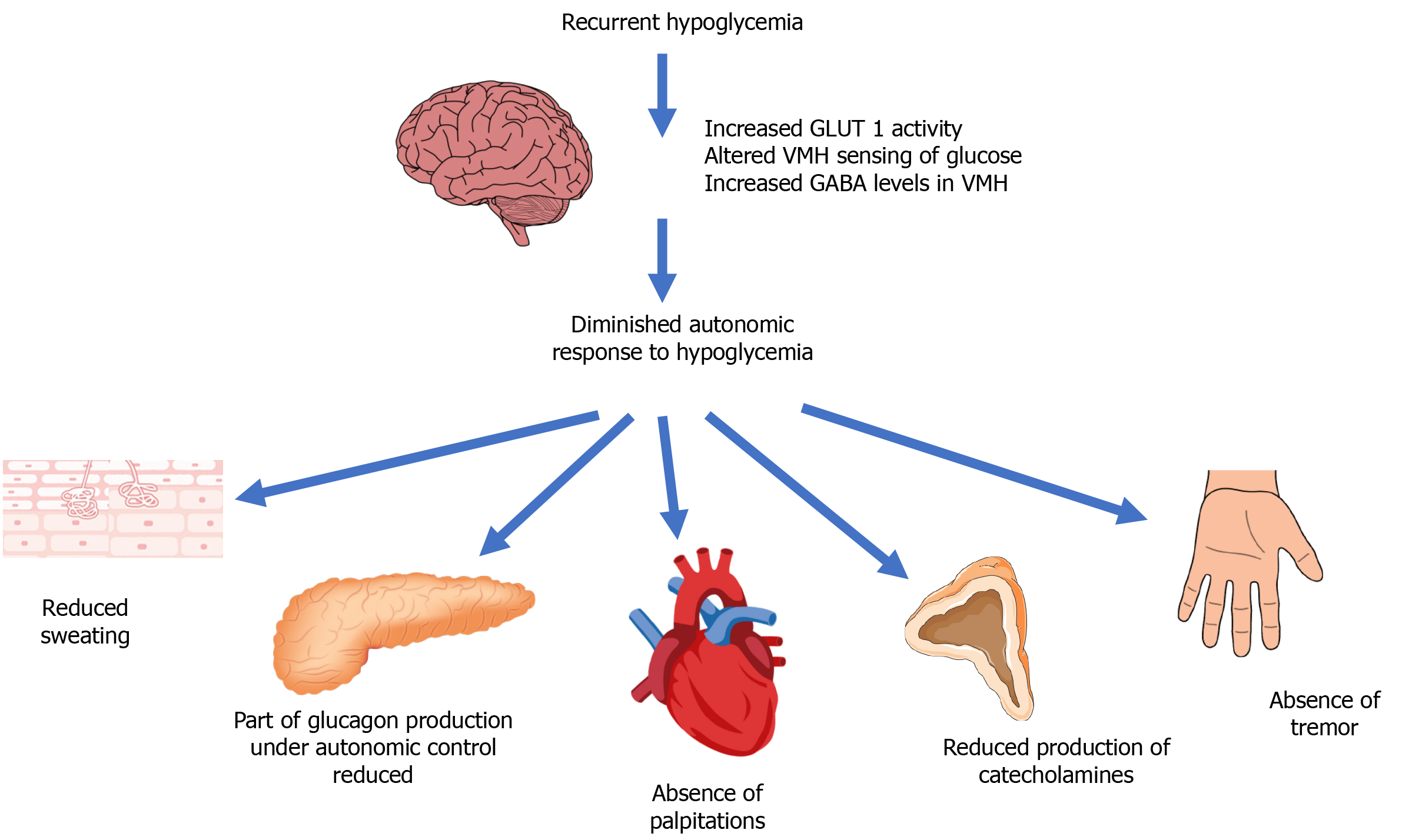 Hypoglycemia in Diabetes: An Update on Pathophysiology, Treatment, and
Hypoglycemia is a well-known complication of diabetes. It occurs when blood glucose levels drop below the normal range, leading to various symptoms and potential health risks. This article provides an update on the pathophysiology, treatment, and prevention of hypoglycemia.
Pathophysiology of Hypoglycemia in Diabetes
Several factors contribute to the development of hypoglycemia in individuals with diabetes. One primary cause is an imbalance between insulin and glucose in the body. Excessive insulin production, either due to diabetes medications or insulin-secreting tumors, can lower blood sugar levels. Additionally, certain conditions, such as impaired liver function or hormone deficiencies, can hinder the body’s ability to regulate blood glucose effectively.
Treatment of Hypoglycemia in Diabetes
The treatment of hypoglycemia in individuals with diabetes primarily involves raising blood glucose levels to a safe range. This can be achieved by consuming fast-acting carbohydrates, such as fruit juice, glucose tablets, or candy. It is crucial to follow up with a longer-acting carbohydrate source, such as a small snack or meal, to prevent recurring episodes. In severe cases, emergency medical attention may be required.
Prevention of Hypoglycemia in Diabetes
Preventing hypoglycemia in individuals with diabetes requires a comprehensive approach to diabetes management. This includes regular monitoring of blood glucose levels, adjusting medication dosages under the guidance of a healthcare professional, following a consistent meal plan, and incorporating regular physical activity. Practicing self-care and being vigilant about recognizing early signs of low blood sugar are essential steps in preventing hypoglycemia.
Conclusion
Hypoglycemia is a significant concern for individuals with diabetes. Understanding the underlying pathophysiology, implementing appropriate treatment strategies, and adopting preventive measures are crucial for managing this condition effectively. By working closely with healthcare professionals, individuals with diabetes can reduce the risk of hypoglycemic episodes and maintain stable blood sugar levels, leading to improved overall health and well-being.
In conclusion, hypoglycemia is a common condition that can occur in both individuals with and without diabetes. It is vital to recognize the causes, symptoms, and appropriate treatment methods to manage low blood sugar effectively. By taking preventive measures, participating in regular monitoring, and making necessary lifestyle changes, individuals can minimize the risk of hypoglycemia and promote their overall health. If you are looking for Hypoglycemia: Overview and More you’ve visit to the right page. We have 5 Images about Hypoglycemia: Overview and More like Hypoglycemia in diabetes: An update on pathophysiology, treatment, and, Pin on Medical Treatment and also Hypoglycemia Among Patients with Type 2 Diabetes: Epidemiology, Risk. Read more:
Hypoglycemia: Overview And More
www.verywellhealth.comhypoglycemia causes verywell roberts verywellhealth diagnosed
Pin On Medical Treatment
 www.pinterest.comhypoglycemia diabetes verywell verywellhealth
Pin On Hypoglocemia
 www.pinterest.comhypoglycemia hyperglycemia hypo hyper nordisk diabetic glucose mnemonics insulin helpful meter diabetess wuyikuaileg gestational
Hypoglycemia Among Patients With Type 2 Diabetes: Epidemiology, Risk
 europepmc.orgHypoglycemia In Diabetes: An Update On Pathophysiology, Treatment, And
www.wjgnet.comHypoglycemia diabetes verywell verywellhealth. Hypoglycemia in diabetes: an update on pathophysiology, treatment, and. Pin on medical treatment